
The Living Architecture of the Olive Tree
Olea Europaea - From Subterranean Systems to Millennial Longevity
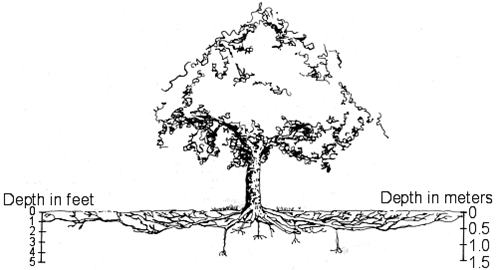
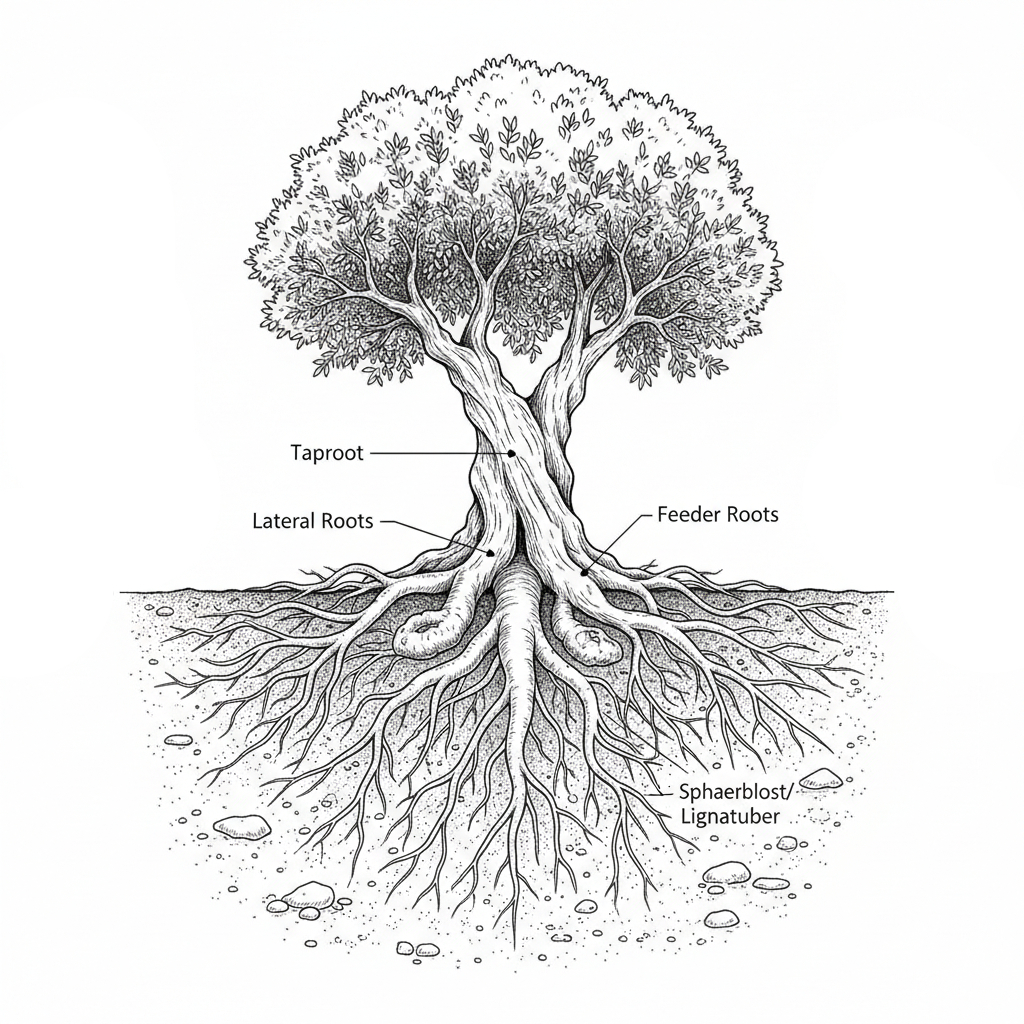
The Olea europaea, or Mediterranean olive tree, represents one of the most sophisticated examples of botanical adaptation in the plant kingdom. Its survival in high-evapotranspiration environments is rooted in a unique, dimorphic root architecture that evolves significantly over the tree’s lifespan. In its juvenile stage, the olive tree relies on a primary vertical taproot to anchor itself and reach deep-seated moisture. However, as the tree matures, this taproot is superseded by a complex, fascicular lateral system. These lateral roots are highly opportunistic, often extending two to three times the diameter of the canopy to maximize the "catchment area" for scarce rainfall. Remarkably, approximately 70% of the tree's active, nutrient-absorbing fine roots are concentrated within the upper 40 centimeters of the soil profile, allowing the tree to capitalize on light, transient precipitation that never reaches deeper aquifers.
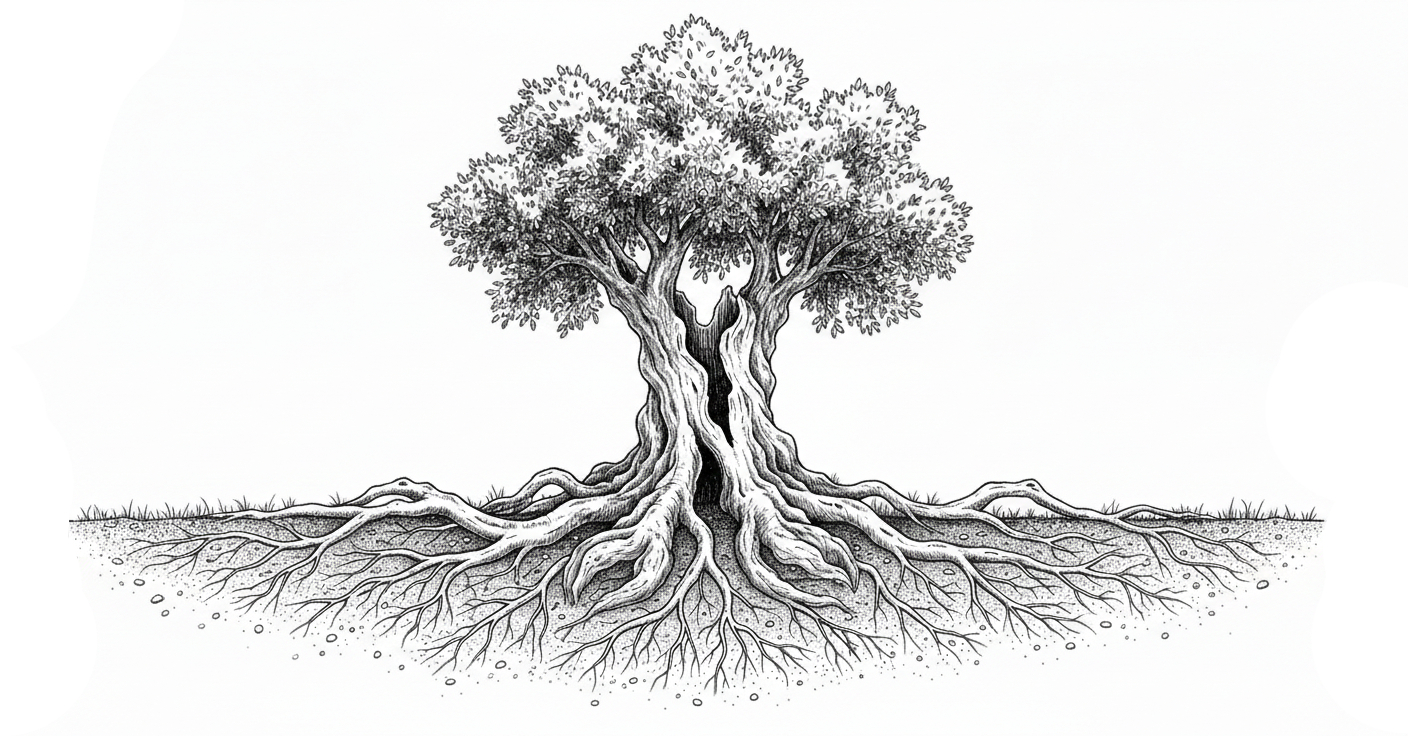
Central to the olive tree's immortality is the sphaeroblast, or lignotuber. These are specialized woody swellings located at the base of the trunk or just below the soil line. Unlike the standard trunk tissue, sphaeroblasts are densely packed with adventitious buds and starch reserves. They function as a biological "reset button"; if the main trunk is destroyed by frost, fire, or mechanical damage, these nodes trigger rapid regeneration, allowing the tree to produce new shoots from its own genetic baseline. This modular growth habit is supported by the tree’s axillary nodes — growth points located in the leaf axils that remain dormant until stimulated by pruning or environmental stress. This internal redundancy ensures that the olive tree does not grow as a single, vulnerable entity, but rather as a colony of potential trunks capable of infinite renewal.
As the olive tree transitions from centuries into millennia, its physical form undergoes a process known as trunk hypertrophy. In these ancient specimens, the heartwood — the biologically inactive center of the tree — frequently succumbs to fungal decay or dry rot, leaving the iconic hollowed-out, twisted shell. This hollow center is not a sign of senescence but a strategic survival mechanism; the living cambium and phloem continue to expand outward, creating a wider base for structural stability while shedding the metabolic cost of maintaining an aging core. This growth pattern is so distinct that traditional dendrochronology (ring counting) is often impossible. Instead, modern researchers employ radiocarbon dating (14C) of the innermost surviving wood layers and mathematical growth-rate models to estimate the age of "living monuments" like the 3,000-year-old specimens found in the Levant and Crete.
Beyond its physical resilience, the olive tree’s leaves — or sclerophyllous foliage — are engineered for extreme water conservation. Each leaf is coated in a thick, waxy cuticle and features specialized stomata primarily on the silver-toned underside to minimize transpirational loss. The high concentration of oleuropein, a potent polyphenol, serves as a chemical defense against oxidative stress and herbivory, contributing to the tree's immunity. This intersection of robust subterranean architecture, regenerative nodes, and advanced foliar chemistry has allowed the olive tree to co-evolve with human civilization, transforming from a Neolithic survival resource into a global symbol of peace, endurance, and liquid gold.
Khipu Semiology - The Three-Dimensional Narrative of the Inka Cordage System
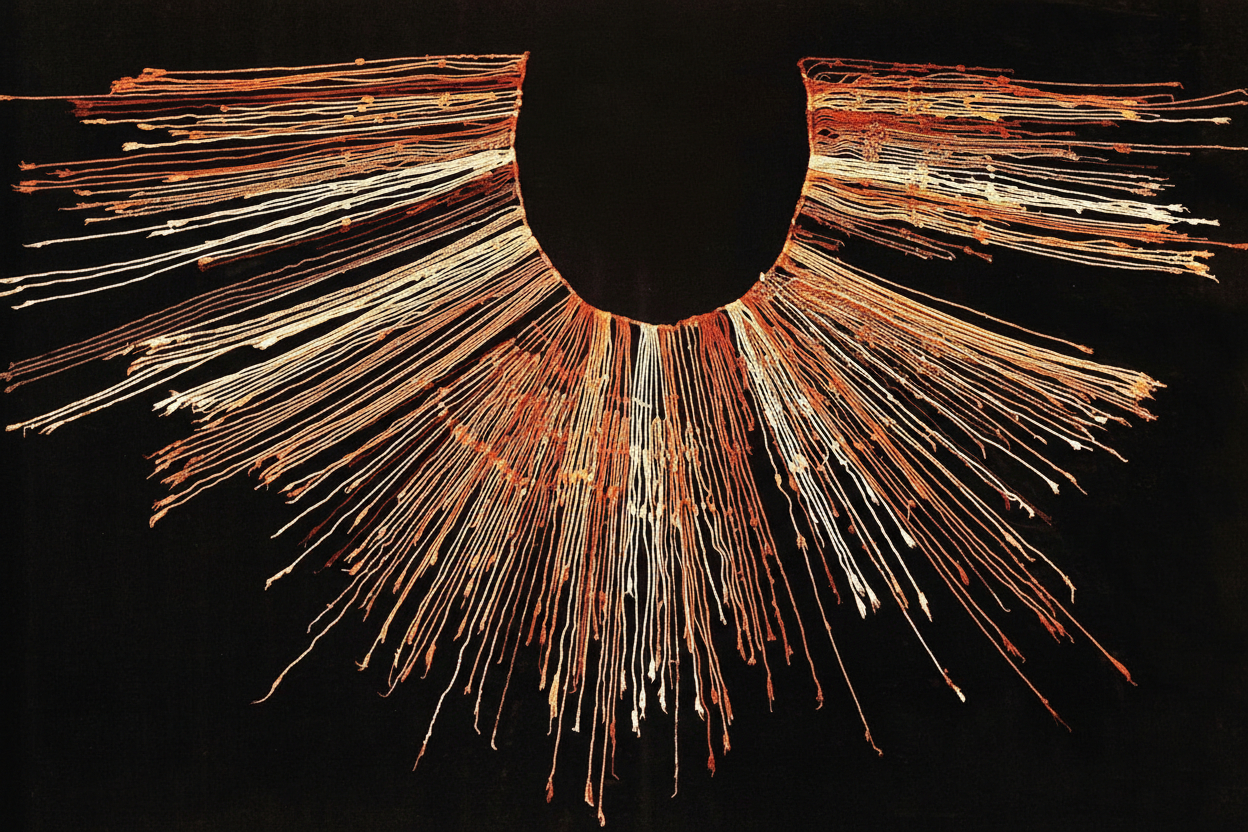
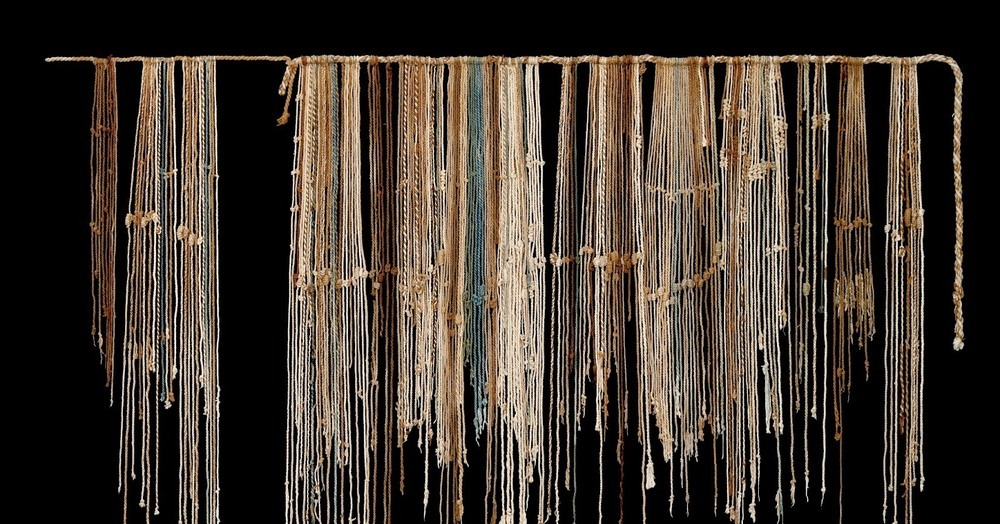
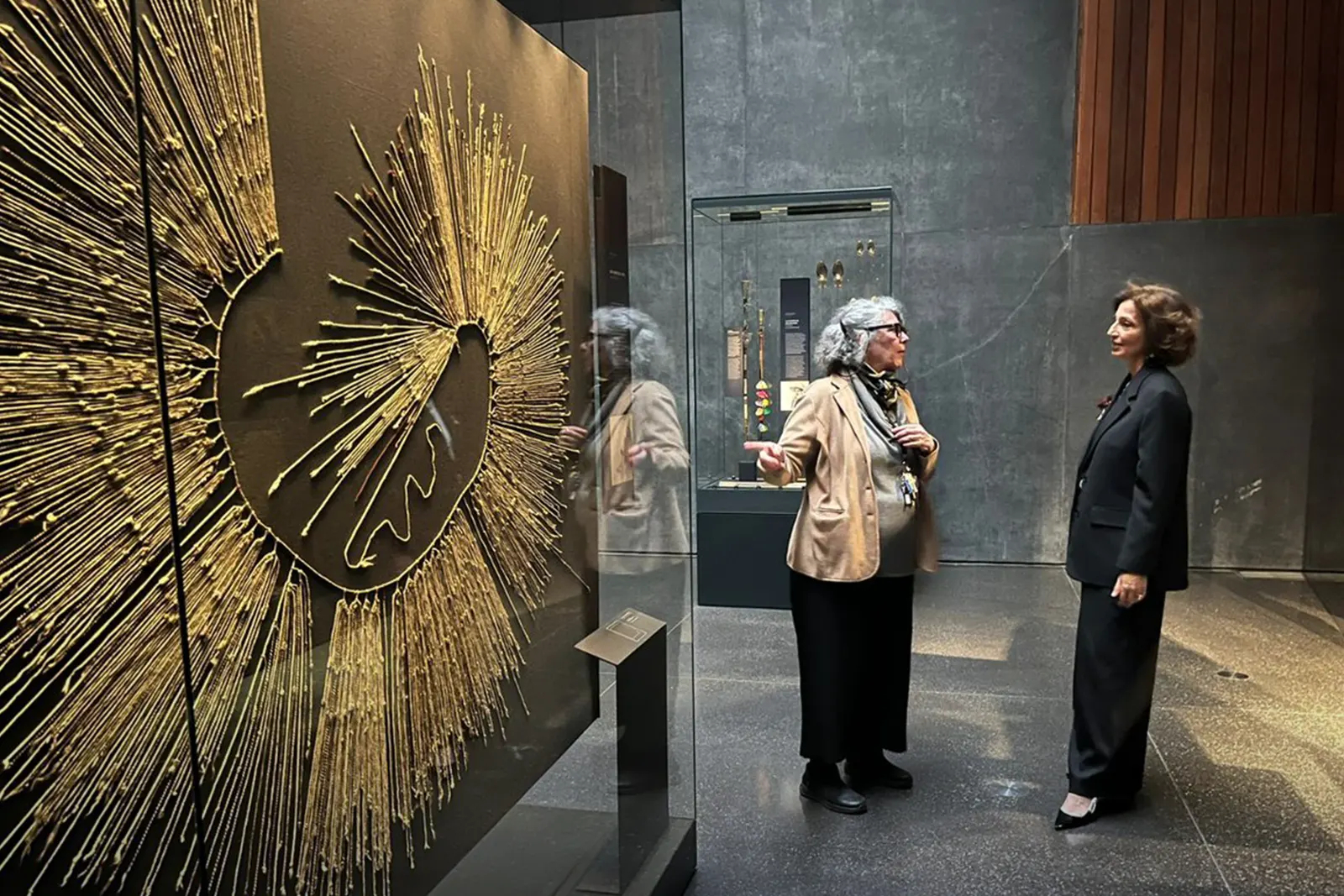
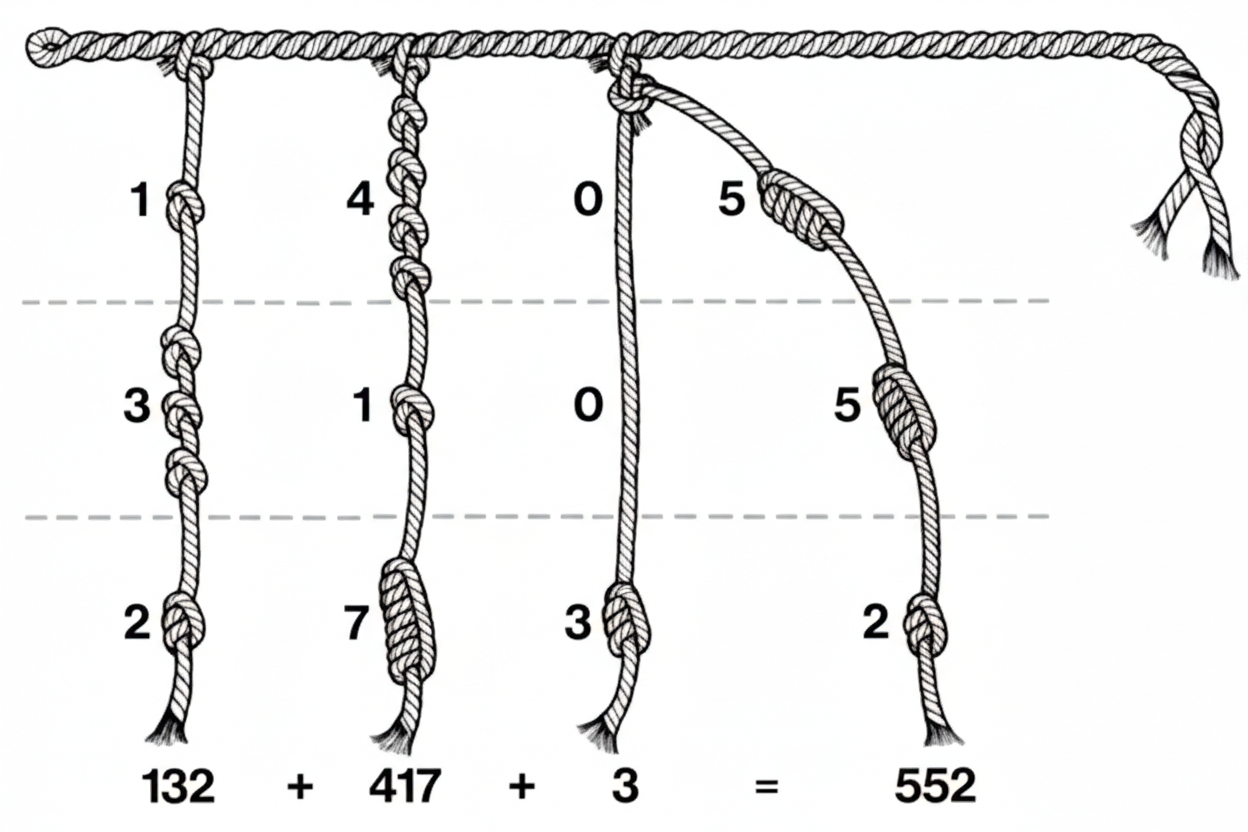
The Khipu (from the Quechua word for "knot") represents one of the most sophisticated and unique information-storage systems in human history. Unlike the two-dimensional, phonetically-based scripts of Eurasia, the Khipu is a tactile, three-dimensional recording medium composed of a primary horizontal cord from which hundreds of secondary and tertiary pendant strings are suspended. For decades, Western scholars categorized these devices strictly as mnemonic aids for accounting; however, contemporary research in ethnomathematics and Inka semiotics suggests that the Khipu functioned as a true binary-coded language capable of recording both quantitative data and complex historical narratives.
The linguistic "syntax" of the Khipu is encoded through a multi-variable tactile architecture. Every physical attribute of a string constitutes a layer of data. The fiber orientation (S-twist or Z-twist) and the ply direction are believed to represent binary oppositions — such as social classes (hanan/hurin), gender, or tax status. Furthermore, the chromatic taxonomy (color) played a pivotal role; the specific hue or the combination of twisted colored threads served as a semantic classifier, identifying the "commodity" or "subject" being discussed. This allowed the Khipucamayoc (the knot-maker) to categorize information instantly before even decoding the numerical values represented by the knots themselves.
In the semiotic system of the Khipu, chromatic taxonomy was far from decorative; it served as a sophisticated linguistic classifier that provided the immediate context for the numerical data encoded on the strings. The palette available to the Khipucamayoc was remarkably diverse, utilizing the natural variations of camelid fibers (alpaca and llama) and cotton, as well as organic dyes. Browns, grays, and creams were frequently used in their natural states, often representing earth-based commodities, livestock, or specific soil types. Yellows and oranges were achieved through mineral and plant dyes, often signifying gold or specific solar-related agricultural cycles.
While greens and blues were more complex to produce, they appear in refined specimens and are hypothesized to represent water-related resources or specific vegetation categories. Research suggests that the interaction of colors was just as vital as the colors themselves; for instance, a "mottled" string created by twisting a blue thread with a yellow thread could signify a different administrative category than a solid color. This color-coding allowed for a "glanceable" data visualization where an official could identify the subject of a Khipu — whether it was a census of a specific province or an inventory of military grain — before even touching a single knot.
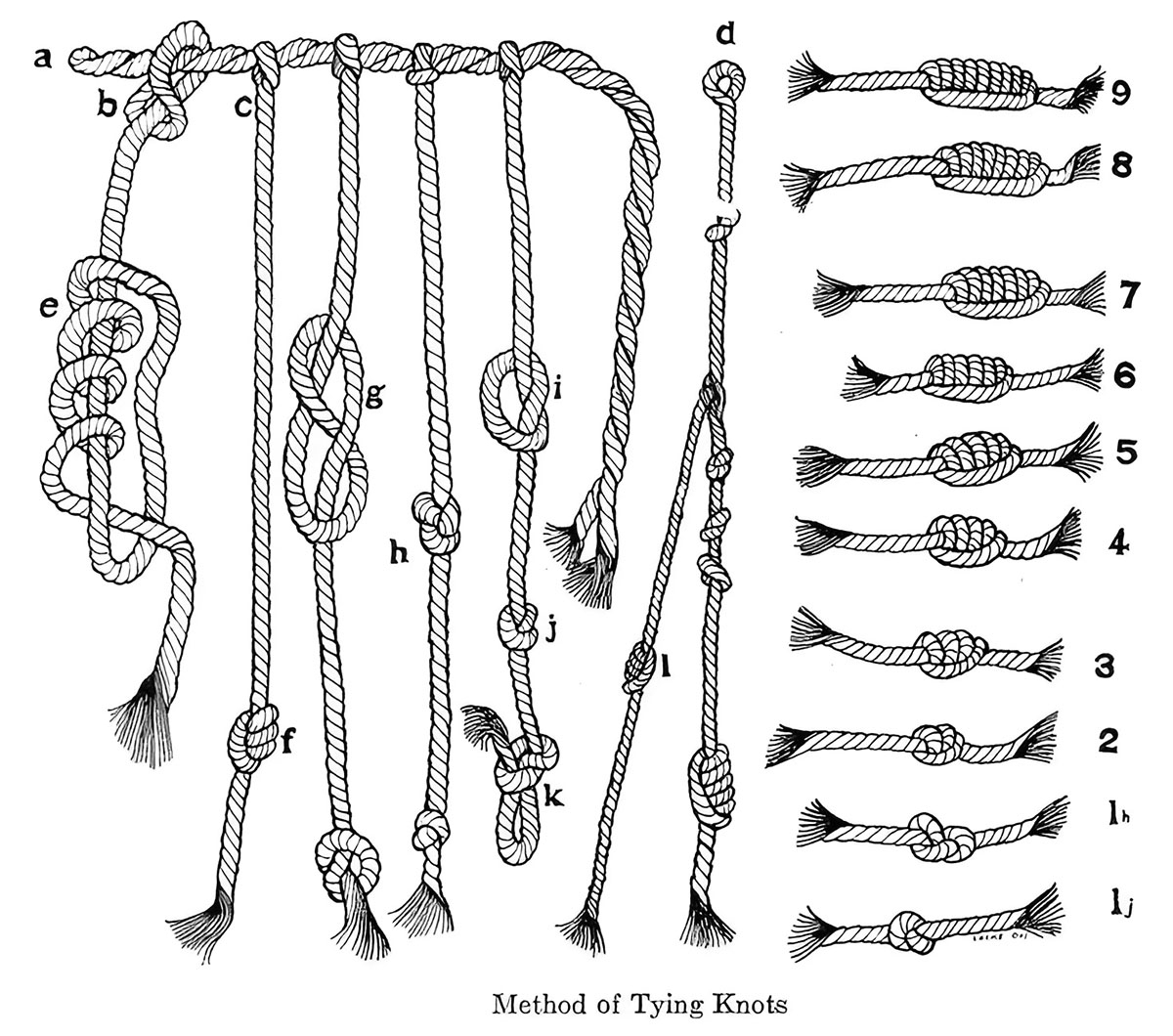
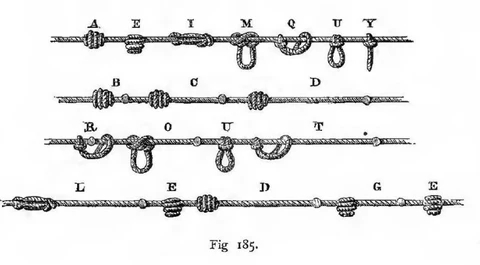
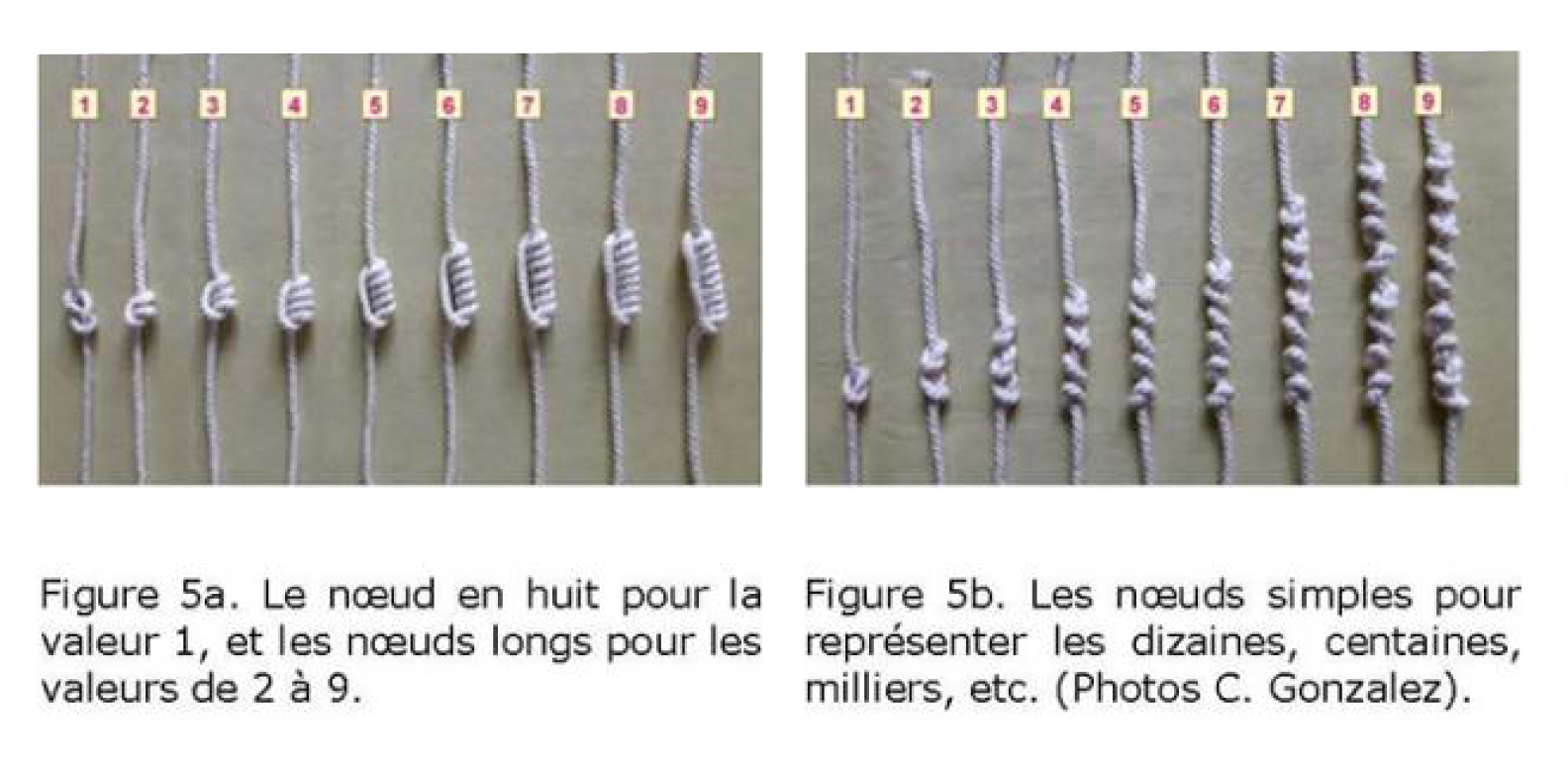
The mathematical structure of the Khipu relies on a base-10 positional system, organized through specific knot types that denote numerical magnitude. Single knots represent tens, hundreds, or thousands depending on their vertical position on the pendant cord, while "Long knots" and "Figure-eight knots" denote the units (1 through 9). The physical spacing between these clusters acts as a numerical placeholder, similar to the concept of "zero" in written mathematics. Recent breakthroughs by the Harvard Khipu Database Project suggest that these quantitative records were often linked to "narrative Khipus," where the relationship between cords mirrored the grammatical structure of the Quechua language, allowing for the storage of censuses, laws, and dynastic genealogies across the vast Inka Empire.
The preservation of Khipu knowledge was severely disrupted by the Spanish Conquista, during which many were destroyed as idolatrous objects. However, the study of the remaining 900+ specimens continues to challenge the traditional "Great Divide" in linguistics — the idea that a civilization must have a phonetic script to be considered literate. The Khipu demonstrates that the Inka achieved a high-functioning state bureaucracy and historical consciousness through a tactile-spatial medium that integrated mathematics, aesthetics, and linguistics into a single, cohesive fabric.
References & Links
Current research on root distribution and agronomic applications can be found via ResearchGate, while the mechanisms of drought adaptation are detailed in Frontiers in Plant Science. For data regarding the radiocarbon dating of ancient specimens, refer to the NCBI/Frontiers study on olive cross-sections. The genomic stability of millennial trees is explored through PubMed Central, and the therapeutic potential of olive compounds is reviewed in MDPI.
For a deep dive into the Harvard Khipu Database and structural analysis, visit The Khipu Kamayuq Project. Detailed research on the mathematical logic of Andean cords is available via JSTOR: The Quipu as a Visible Language. For the most recent breakthroughs in deciphering narrative Khipu, refer to the studies published in Science Magazine and the linguistic reviews on ResearchGate: Signs of the Inka Khipu.